Տաբասկոյում հնագետները տիեզերքի հսկայական քարտեզ են գտել 3000 տարվա վաղեմության.
Ընտրեք ցուցադրվող լեզուն
Զանգվածային հարթակ, որը թաքնված է ջունգլիներում in the southern Mexican state of Tabasco for 3, 000 years and partially explored in the last decade, has been found to actually be a giant map depicting “the order of the universe” as the Maya saw it, according to a new study.
Հնագետները կարծում են, որ Aguada Fénix տեղանքը, որը գտնվում է Գվատեմալայի սահմանի մոտ, նախագծվել է որպես տիեզերագրություն՝ նյութի դասավորություն, որն արտացոլում է տիեզերական կարգի հնագույն մայաների գաղափարները, ասվում է անցյալ շաբաթ ամսագրում հրապարակված ուսումնասիրության մեջ: Գիտության առաջընթացը.
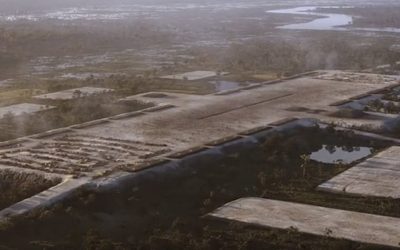
Aguada Fénix կայքի մի մասի այս պատկերը հնագիտական գտածոների վրա հիմնված մայաների վայրերի թվային հանգստի տեսահոլովակից է: Այն պատկերացում է տալիս այն զանգվածային մասշտաբի մասին, որը հայտնաբերվել է որպես տիեզերական քարտեզ, որը 1500 տարով ավելի հին է Տիկալից: (@Cuauhtemoc_1521/X-ում)
Built between 1050 and 700 B. C. E., the Aguada Fénix site covers 9 by 7. 5 kilometers, making it the oldest and largest monumental architecture in the Maya world. Its size is approximately 5. 6 by 4. 7miles, or roughly the same area as the city of Cincinnati, Ohio.
Դասավորությունը սահմանվում է կիլոմետրանոց ճանապարհներով և հարթակներով՝ համահունչ արևածագերին, որոնք նշում են սուրբ ամսաթվերը 260-օրյա ծիսական օրացույցում:
«Իրականում Aguada Fénix-ի կառուցումը կարող էր լինել հայտնի համայնքային գործունեություն հին մարդկանց համար, ինչպես Սթոունհենջը, հավանաբար, եղել է նախապատմական Անգլիայում», - նշում է գիտական նորությունների կայքը: Live Science.
Հսկայական ուղղանկյուն հարթակը, որը ճշգրտորեն հավասարեցված է երկար հյուսիս-հարավ և արևելք-արևմուտք երկար առանցքներով՝ խորհրդանշելով տարածությունը և ժամանակը, հայտնաբերվել է թաքնված Տաբասկոյում ջունգլիների տակ 2017թ. օգտագործելով LiDAR տեխնոլոգիան, which bounces lasers from aircraft to detect structures beneath jungle and farmland.
Նոր բացահայտումները գալիս են Միջին Ուսումացինտա հնագիտական նախագծից, որը համակարգվում է Արիզոնայի համալսարանի հետազոտողներ Տակեշի Ինոմատայի և Դանիելա Տրիադանի կողմից և հաստատված INAH հնագիտության խորհրդի կողմից:
Հիմնական կառույցն ունի 1400 մետր երկարություն, մինչև 15 մետր բարձրություն և շրջապատված է երթևեկելի ճանապարհներով, միջանցքներով և ջրանցքներով:
At its core is a cruciform pit that includes a floor marked with blue, green and yellow earth pigments — lining up with the cardinal directions and demonstrating the earliest known directional color symbolism in Mesoamerica.
Artifacts found nearby included clay axe-shaped offerings, marine shells and other sacred items pointing to ritual deposits that were carefully arranged according to cosmic beliefs.
Ի տարբերություն բուրգեր կառուցող մայա արքաների՝ Ագուադա Ֆենիքսը կառավարիչների կամ սոցիալական հիերարխիայի նշաններ ցույց չի տալիս։ Ի տարբերություն մայաների մայրաքաղաքների այլ գտածոների, ինչպիսիք են Տիկալը ևՉիչեն Իցա, Հետազոտողները չեն գտել պալատներ, դամբարաններ և թագավորական արձաններ:
«Այս առաջնորդները ուժ չունեին ստիպելու այլ մարդկանց», - ասաց Ինոմատան: «Շատերը եկել են, հավանաբար, պատրաստակամորեն, քանի որ կոսմոգրամի կառուցման այս գաղափարը իսկապես կարևոր էր նրանց համար, և այդ պատճառով նրանք միասին աշխատեցին»:
Ենթադրվում է, որ դրա կառուցմանը մասնակցել է ավելի քան հազար մարդ՝ առաջարկելով համայնքային կազմակերպում և կամավոր ջանքեր: Հետազոտողները նշել են, որ դա կպահանջի 255, 000 մարդ-օր աշխատանքի:
The site was reportedly abandoned after 50 to 250 years, with some construction, notably the canals, left unfinished.
Այնուամենայնիվ, կառուցվածքի մասշտաբները, բարդ աստղագիտական դասավորությունները և կոլեկտիվ աշխատանքը նոր լույս սփռեցին վաղ մայաների հասարակության վրա՝ մարտահրավեր նետելով այն գաղափարին, որ նման սխրանքների համար թագավորներ են պահանջվում:
A massive platform hidden in a jungle in the southern Mexican state of Tabasco for 3,000 years and partially explored in the last decade, has been found to actually be a giant map depicting “the order of the universe” as the Maya saw it, according to a new study.
Archaeologists believe the Aguada Fénix site, near the Guatemala border, was designed as a cosmogram — a material layout reflecting ancient Maya ideas of cosmic order — according to the study published last week in the journal Science Advances.
This image of part of the Aguada Fénix site is from a coming video of digital recreations of Maya sites based on archaeological findings. It gives an idea of the massive scale of what has been discovered to be a cosmic map, 1,500 years older thean Tikal. (@Cuauhtemoc_1521/on X)
Built between 1050 and 700 B.C.E., the Aguada Fénix site covers 9 by 7.5 kilometers, making it the oldest and largest monumental architecture in the Maya world. Its size is approximately 5.6 by 4.7 miles, or roughly the same area as the city of Cincinnati, Ohio.
The layout is defined by kilometers-long causeways and platforms, aligned to sunrises marking sacred dates on the 260-day ritual calendar.
“In effect, building Aguada Fénix may have been a celebrated communal activity for ancient people, just like Stonehenge likely was in prehistoric England,” noted the science news website Live Science.
The giant rectangular platform — aligned precisely with long north-south and east-west axes to symbolize space and time — was discovered hidden beneath jungle in Tabasco in 2017 using LiDAR technology, which bounces lasers from aircraft to detect structures beneath jungle and farmland.
The new findings come from the Middle Usumacinta Archaeological Project, coordinated by researchers Takeshi Inomata and Daniela Triadán of the University of Arizona, and endorsed by the INAH Archaeology Council.
The main structure is 1,400 meters long, up to 15 meters high and surrounded by processional causeways, corridors and canals.
At its core is a cruciform pit that includes a floor marked with blue, green and yellow earth pigments — lining up with the cardinal directions and demonstrating the earliest known directional color symbolism in Mesoamerica.
Artifacts found nearby included clay axe-shaped offerings, marine shells and other sacred items pointing to ritual deposits that were carefully arranged according to cosmic beliefs.
Unlike pyramid-building Maya kings, Aguada Fénix shows no signs of rulers or social hierarchy. As opposed to other finds in Maya capitals such as Tikal and Chichén Itzá, researchers found no palaces, no tombs and no royal statues.
“These leaders didn’t have power to force other people,” Inomata said. “Most came probably willingly, because this idea of building a cosmogram was really important to them, and so they worked together.”
Over a thousand people are estimated to have participated in its construction, suggesting communal organization and voluntary effort. Researchers noted it would have taken 255,000 person-days of labor.
The site was reportedly abandoned after 50 to 250 years, with some construction, notably the canals, left unfinished.
However, the scale of the structure, sophisticated astronomical alignments and collective labor shed new light on early Maya society — challenging the idea that such feats required kings and coercion.
Մեկնաբանություններ